What is a Wall Mounted Patio Heater and How Does It Work?
As outdoor lifestyles gain popularity, people seek comfort in their patios. A wall mounted patio heater emerges as a practical solution. These devices provide warmth and extend the usability of outdoor spaces, even during colder months. The global market for patio heaters is expected to grow significantly, reaching $2.25 billion by 2027, according to industry reports.
The wall mounted patio heater operates by radiating heat across a wide area. This method allows for efficient warming without taking up much space. Models with infrared technology are popular for their quick heat distribution. Homeowners appreciate their sleek designs, which blend seamlessly with outdoor decor. However, they may not always provide uniform heating throughout larger areas, leading to potential discomfort in certain spots.
While the benefits are clear, some challenges exist. Installation may require professional help, adding to the costs. Moreover, the efficiency of these heaters can vary based on location and weather conditions. Homeowners should assess their specific needs and spaces. Understanding these factors is crucial when choosing the right wall mounted patio heater for an enjoyable outdoor experience.

What is a Wall Mounted Patio Heater?
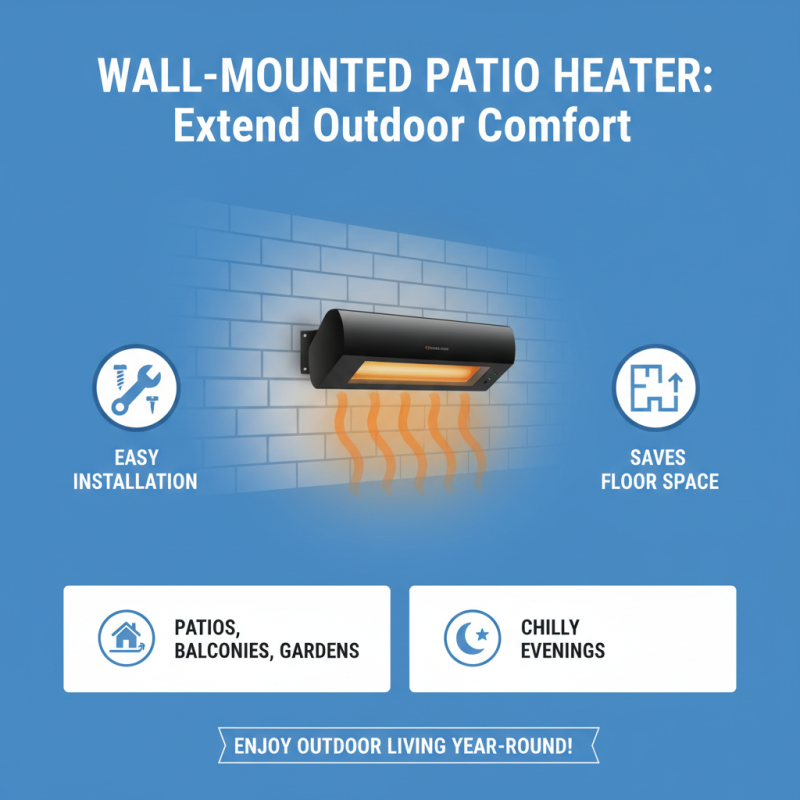
A wall mounted patio heater is a convenient heating solution for outdoor spaces. It is installed directly onto a wall, saving floor space and providing warmth. These heaters are popular in patios, balconies, and gardens. They can extend the use of outdoor areas during chilly evenings.
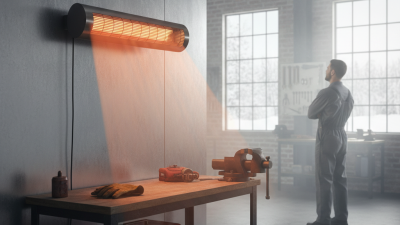
How does it work? This type of heater uses electricity or gas to generate heat. Many models radiate warmth through infrared technology. Once activated, the heat travels directly to nearby objects, creating a cozy environment. Users often appreciate the instant heat, which allows for immediate comfort.
While wall mounted patio heaters offer many benefits, there are some drawbacks. Installation can be tricky and might require professional help. If improperly mounted, they can be a safety hazard. Additionally, their performance varies based on the outdoor setup and wind conditions. It's essential to evaluate your needs and environment carefully. Balancing warmth with safety is crucial for an enjoyable outdoor experience.
Key Components of Wall Mounted Patio Heaters
Wall mounted patio heaters are becoming increasingly popular for enhancing outdoor spaces. They provide warmth and comfort, allowing users to enjoy patios year-round. The key components of these heaters play a significant role in their performance.
The heating element is crucial. Most wall mounted heaters use infrared technology to generate heat. This method warms objects directly rather than the air around them. A recent industry report highlighted that infrared heaters can be up to 90% efficient. This efficiency is evident when you feel warmth immediately upon activation.
Another important component is the mounting bracket. This ensures that the heater is securely attached to the wall. The design matters. A stable heater can withstand weather conditions but may require regular maintenance. The control system, whether manual or remote, affects user experience. Studies indicate that user-friendly controls can significantly enhance satisfaction. However, not all systems are intuitive. Some require a learning curve.
How Wall Mounted Patio Heaters Generate Heat
Wall mounted patio heaters are an innovative solution for extending outdoor comfort. They utilize infrared technology to generate heat, making them especially effective in chilly climates. A study by the Outdoor Power Equipment Institute revealed that these heaters can provide up to 95% energy efficiency. This efficiency ensures that most of the energy consumed is converted into heat, warming up the space quickly.
How do they generate heat? These heaters emit infrared radiation, which directly warms objects and people rather than heating the air. This method is particularly advantageous, as it reduces energy waste. A survey found that users reported a 30% reduction in heating costs when switching to infrared models. Moreover, wall mounted options save floor space and provide targeted warmth.
While efficient, there are considerations. Placement is crucial. Improper installation can lead to ineffective heating or safety concerns. Users often overlook the importance of height and angle when mounting. The heater should be positioned for optimal heat distribution. Learning from installation missteps can enhance the overall experience and maximize the heater's potential. Balancing efficiency with careful placement remains a challenge.
What is a Wall Mounted Patio Heater and How Does It Work?
| Dimension |
Description |
| Type |
Electric or Gas |
| Heat Output |
Typically ranges from 3,000 to 5,000 BTUs |
| Installation Height |
Usually installed 7 to 9 feet above the ground |
| Coverage Area |
Covers approximately 100 to 150 square feet |
| Safety Features |
Auto shut-off, tip-over protection |
| Operating Costs |
Gas heaters generally have lower operating costs than electric heaters |
| Heat Generation Method |
Infrared radiation for direct heat |
| Ideal Use Case |
For patios, balconies, and outdoor dining areas |
Safety Features of Wall Mounted Patio Heaters
Wall mounted patio heaters offer a convenient way to enjoy outdoor spaces. They are designed with several safety features to ensure peace of mind. These heaters typically include automatic shut-off mechanisms. If they tip over or reach overheating, they will turn off by themselves. This is a crucial feature for preventing accidents.
Another important safety aspect is the materials used. Many wall mounted heaters are made of durable, heat-resistant materials. This minimizes the risk of burns or fire. They are also positioned to avoid direct contact with people nearby. Despite these advanced safety features, caution is still essential. Always ensure proper installation and regular maintenance.
The placement of these heaters requires careful thinking. They should be mounted high enough to avoid any potential hazards. Still, ideal placement may vary based on the layout of your space. It's also vital to keep flammable materials away from the heater. These days, not every installation will be perfect. Reflection on past experiences can help improve future setups.
Installation and Maintenance Tips for Wall Mounted Patio Heaters
Wall mounted patio heaters provide warmth in outdoor spaces. Their installation is critical for effective heating. First, ensure you choose a sturdy wall. It must support the heater's weight and withstand environmental conditions. Many heaters require a clearance of at least 18 inches. This distance is vital for safety and optimal performance. Miscalculating this may lead to inefficient heating.
Maintenance is often overlooked. Regular checks for any signs of wear or damage are essential. Approximately 30% of patio heater issues stem from neglecting these factors. Clean the heating element at least once a month. Dust and grime can significantly reduce efficiency. Remember to inspect gas lines if your heater uses gas. Cracks can lead to leaks and pose safety risks.
Finding the right location for installation is crucial. Place the heater where people gather. A heater's effectiveness decreases outside a certain radius. Studies show that most wall-mounted heaters cover about 10 feet. This means improper placement might leave areas cold. Balancing warmth and ambiance is an ongoing challenge for many users.
Wall Mounted Patio Heater Usage and Efficiency
This chart displays key metrics related to wall mounted patio heaters, including heating efficiency, installation cost, maintenance frequency, and user satisfaction. These metrics are essential for evaluating the viability of these heaters for outdoor spaces.