
FAQS
What Are the Top Modern Cabinet Styles?
Modern Cabinets have moved beyond simple storage. They now shape how a kitchen feels, works, and ages. The strongest designs balance clean lines with practical details, including door clearance, drawer depth, lighting, and durable finishes.
Tom Howley, founder of the British cabinetry company Tom Howley, once said, “The kitchen is the heart of the home.” His observation explains why cabinet style deserves careful attention. A minimalist slab door can create a calm, architectural appearance. Shaker cabinets add subtle framing and familiar warmth. Handleless doors offer a seamless look, especially in compact apartments. Natural wood brings visible grain, while two-tone cabinets can separate preparation areas from social spaces.
Function matters more than photographs suggest. A matte surface may hide fingerprints better than high gloss. Soft-close drawers should still carry heavy cookware without flexing. Cabinet depth must leave enough room for movement around an island. Small details matter. Poorly planned corners remain frustrating, regardless of style.
This guide examines the top modern cabinet styles and the situations where each performs best. It considers materials, color, hardware, maintenance, and installation quality. Some recommendations may challenge current design trends. A dark cabinet can feel dramatic online but heavy in a narrow room. Open shelving can look elegant but demands constant organization. I have also found that “timeless” choices can become dated when they ignore personal habits.
There is no universal winner. The best Modern Cabinets support daily routines while expressing the homeowner’s taste. That balance requires honest planning, reliable measurements, and room for reconsideration.
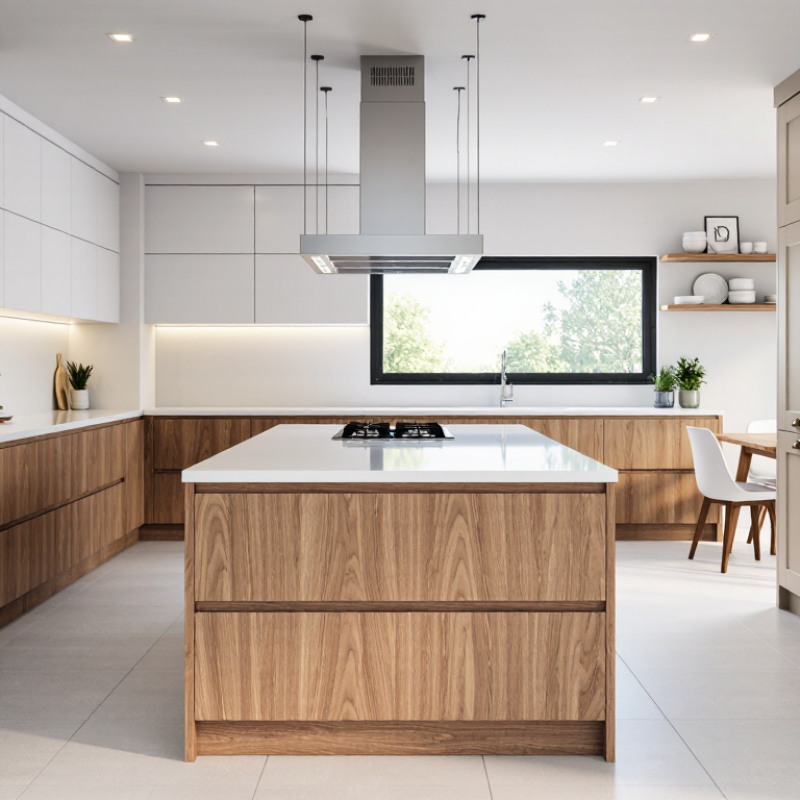
Defining Modern Cabinetry and Its Core Design Principles
Modern cabinetry is defined less by a single look than by disciplined choices. Its core principles are clean geometry, practical storage, visual calm, and honest materials. Flat-panel doors create uninterrupted surfaces, while frameless construction can increase usable interior space. Slim pulls or touch-latch fronts reduce visual noise. In a well-planned kitchen, cabinet lines align with appliances and wall openings. This alignment is not decoration. It makes the room feel intentional and easier to use.
Top modern styles Top modern styles include slab, handleless, two-tone, and warm wood cabinetry. Slab doors suit compact rooms because their smooth faces reflect light and simplify cleaning. Handleless doors offer a quiet profile, but they need carefully placed finger pulls or reliable opening clearances. Two-tone layouts can separate work zones, such as dark lower cabinets beneath pale wall units. Wood adds texture and prevents a modern room from feeling cold. Texture matters.
Practical cabinet planning From practical cabinet planning, the best results begin with daily habits, not photographs. Deep drawers usually serve cookware better than low cupboards. Tall storage can hide appliances, yet it may make a narrow room feel heavy. Measure door swings, lighting, countertop height, and plumbing before choosing a finish. Modern design also deserves honest criticism: touch-latch hardware can show fingerprints, and perfectly minimal fronts can become bland. A small grain variation or visible joint may add character, although too much inconsistency weakens the composition. Good cabinetry balances control with livability.
Exploring the Most Popular Modern Cabinet Styles
Modern cabinet design often favors clean lines, practical storage, and calm visual balance. Popular styles include slab, Shaker-inspired, handleless, and mixed-material cabinetry. Each style changes how a kitchen feels and functions.
Slab cabinets
use flat doors with almost no decoration. Their smooth surfaces suit compact kitchens because they reduce visual clutter. Matte finishes hide fingerprints better than glossy ones, although dark colors still show dust.
Shaker-inspired doors
add a narrow frame and subtle depth. They feel warmer with wood flooring, stone counters, or painted walls. In real projects, accurate measurements matter more than fashionable colors. A small gap beside an appliance can make an expensive kitchen look unfinished.
Handleless cabinets
create a streamlined appearance through recessed rails or push mechanisms. They work well in narrow walkways, but opening systems need careful adjustment.
Mixed-material cabinets
combine painted doors, natural wood tones, glass, or metal accents. This approach adds texture without covering every surface with decoration. Open shelving is often included, yet it demands daily organization. That weakness is easy to overlook.
Choose a modern style according to cleaning habits, available light, and storage needs. View samples in morning and evening light. Finish colors can change noticeably. A durable cabinet is not always the most striking option, and personal taste may shift after regular use.
Comparing Materials, Finishes, Colors, and Hardware Options
Modern cabinet styles are often defined by clean lines, but material choices shape their daily performance. Slab doors create a quiet, streamlined look, while slim Shaker doors add gentle shadow lines. Plywood boxes usually resist moisture better than particleboard, although quality construction matters more than labels. Solid wood can age beautifully, yet it may expand and contract with seasonal humidity. I have seen poorly sealed wood doors shift within one winter.
Finishes change both appearance and maintenance. Matte laminate hides fingerprints and suits busy kitchens, while satin paint reflects enough light to prevent a dark room from feeling flat. High-gloss surfaces enlarge small spaces visually, but they reveal smudges quickly. Natural wood veneer adds warmth through visible grain. Its color can vary between doors, which some homeowners dislike. That variation is not a defect, but it needs realistic expectations.
Color should respond to light, flooring, and wall tone. Soft white feels spacious, while charcoal creates stronger contrast around pale counters. Muted green or blue can add personality without overwhelming the room. Hardware completes the style. Brushed metal feels practical, black pulls look graphic, and leather details bring softness. Knobs work well on doors; longer pulls improve control on wide drawers. I prefer testing samples at breakfast, evening, and under artificial light. Small differences become obvious. One overlooked issue is comfort: sharp-edged pulls can catch sleeves, and tiny knobs may frustrate wet hands.
Matching Cabinet Styles to Different Kitchen Layouts
Choosing a modern cabinet style starts with the kitchen’s shape, not a catalog photograph. In a narrow galley kitchen, flat-panel doors and full-height cabinets keep sightlines calm. Light wood or soft matte colors can reduce the corridor effect. Handleless fronts also prevent clothing from catching. I have found that glossy finishes look spacious in photos, yet they reveal fingerprints quickly in busy homes. That maintenance issue can change the best choice.
An L-shaped kitchen offers more flexibility. Shaker-inspired modern doors add gentle detail without making the corner feel heavy. Pair them with open shelving only where daily items are used. In a U-shaped layout, visual weight matters more. Slab doors, integrated appliances, and consistent cabinet heights create a quieter envelope. Leave enough clearance between opposing runs. Beautiful cabinetry cannot fix a cramped work zone. Around 42 inches often supports comfortable shared movement, but household habits should guide the final plan.
For an open-plan kitchen, cabinet style must connect with nearby living areas. Minimalist slab fronts work well when the kitchen should recede. A contrasting island can define the cooking zone without adding walls. In a compact apartment, vertical cabinets use limited floor space efficiently. However, tall units may feel imposing beside low furniture. Sample doors at home, under morning and evening light. Color changes. So does texture. A design can be technically correct and still feel wrong after installation.
What Are the Top Modern Cabinet Styles? Matching Cabinet Styles to Different Kitchen Layouts
| Modern Cabinet Style | Key Visual Features | Best-Matched Kitchen Layouts | Common Materials and Finishes | Main Advantages | Planning Considerations |
|---|---|---|---|---|---|
| Flat-Panel Cabinets | Simple, unframed doors with clean horizontal and vertical lines and minimal ornamentation. | Galley One-wall L-shaped | Painted MDF, laminate, thermofoil, natural wood veneer, or smooth wood panels. | Creates a streamlined appearance, works well in compact spaces, and is easy to coordinate with modern hardware. | Large uninterrupted surfaces can show fingerprints, dust, and scratches, especially in darker or high-gloss finishes. |
| Handleless Cabinets | Doors and drawers use integrated channels, recessed pulls, or push-to-open mechanisms instead of exposed handles. | One-wall Galley Open-plan | Matte lacquer, laminate, acrylic, veneered panels, or durable painted board. | Provides a continuous, uncluttered look and reduces visual distractions in open-concept kitchens. | Recessed channels require regular cleaning, while push-to-open hardware may need precise adjustment and maintenance. |
| Shaker-Style Cabinets | Five-piece doors with a recessed center panel and straightforward, square-edged framing. | L-shaped U-shaped Island | Painted wood, MDF, engineered wood, or natural wood with clear protective coatings. | Balances modern simplicity with warmth and can adapt to contemporary, transitional, or minimalist interiors. | Recessed edges and joints can collect dust; painted surfaces may reveal impact marks more clearly than wood grain. |
| Slab Wood Cabinets | Full-height, flat doors that highlight natural grain, knots, or subtle tonal variation. | Island L-shaped Open-plan | Oak, maple, walnut, ash, or other responsibly sourced wood veneer and solid-wood components. | Adds natural texture and visual warmth while maintaining a clean, contemporary profile. | Wood can change slightly with humidity and light exposure; grain direction should be planned for a consistent appearance. |
| Two-Tone Cabinets | Uses contrasting or complementary colors, materials, or finishes for base cabinets, wall cabinets, or an island. | L-shaped U-shaped Island | Common combinations include painted bases with wood uppers or a contrasting island with matching perimeter cabinets. | Defines functional zones, adds depth, and can make a large kitchen feel more visually balanced. | Colors should relate to the flooring, backsplash, countertops, and lighting to avoid a visually fragmented result. |
| Glass-Front Cabinets | Cabinet doors include clear, reeded, frosted, or textured glass panels within slim frames. | L-shaped U-shaped Open-plan | Tempered glass paired with painted wood, metal, MDF, or veneered cabinet frames. | Lightens a wall of cabinetry and provides an attractive display area for regularly used or decorative items. | Visible contents need to remain organized, and glass panels require frequent cleaning in high-use areas. |
| Integrated Appliance Cabinetry | Refrigerators, dishwashers, and other appliances are concealed behind matching cabinet panels. | One-wall Galley Open-plan | Cabinet-matched laminate, veneer, or painted panels installed with compatible appliance hardware. | Creates a unified appearance and helps the kitchen blend more naturally with adjacent living spaces. | Requires accurate appliance specifications, adequate ventilation, and careful coordination between cabinetry and installation. |
| Tall Pantry Cabinetry | Full-height storage units that extend vertically to maximize capacity and reduce visual clutter on countertops. | One-wall Galley U-shaped | Usually matches the main cabinet finish and may include adjustable shelves, pull-out storage, or interior drawers. | Uses vertical space efficiently and can store dry goods, small appliances, and cleaning supplies in one location. | Door swings and aisle clearance must be checked carefully, especially in narrow galley kitchens. |
| Open-Shelving Combination | Pairs closed base or wall cabinets with selected open shelves for an airy, less enclosed composition. | One-wall L-shaped Open-plan | Wood shelves, metal brackets, stone shelves, or floating shelves coordinated with the main cabinetry. | Opens up compact walls, keeps frequently used items accessible, and introduces a lighter visual rhythm. | Open shelves collect dust and require thoughtful organization; heavy items need suitable wall support and fasteners. |
Evaluating Functionality, Maintenance, and Long-Term Value
Modern cabinet styles now favor flat-panel doors, slim profiles, and concealed hardware. Their clean surfaces make small kitchens feel calmer, but appearance can hide practical weaknesses. Handleless doors collect fewer protrusions, yet finger grooves may trap crumbs and grease. Matte laminate usually wipes clean with a damp microfiber cloth. Natural wood veneer needs more careful moisture control, especially near sinks and dishwashers.
The 2024 U.S. Houzz Kitchen Trends Study reported that 76% of renovating homeowners upgraded their cabinets. That demand makes storage planning more important than visual novelty. Deep drawers can hold heavy cookware with less bending, while pull-out trays improve access in narrow base units. However, complex mechanisms add replacement costs. The 2024 Cost vs. Value Report estimated a 96.1% cost recoup for a minor kitchen remodel, but that figure covers the entire project, not cabinets alone. Resale value therefore depends on installation quality, neutral finishes, and durable hinges.
In practical inspections, I would check door alignment, edge sealing, and drawer movement before judging style. Small gaps often appear attractive in photographs. They can become maintenance problems later. I would also question glossy dark finishes. They show fingerprints quickly. My preference is not absolute; a well-made traditional frame may outlast a fashionable slab door. Long-term value often comes from repairable parts, sensible storage, and surfaces that still look acceptable after years of cooking.
What Are the Top Modern Cabinet Styles?
Evaluating functionality, maintenance, and long-term value
Scores use a 1–10 comparative planning index based on storage usability, ease of cleaning and resistance to visible wear, material durability, repairability, and design longevity. Higher scores indicate stronger overall performance; results can vary with construction quality, finish, hardware, and installation.
Skip to content
