7 Best Clothing Donation Drop Off Bin Suppliers
Clothing donation is becoming a measurable part of the circular economy, not merely a neighborhood goodwill gesture. The U.S. Environmental Protection Agency reported that Americans generated about 17 million tons of textiles in 2018, while only a limited share entered recycling or recovery streams. The Ellen MacArthur Foundation has also warned that one truckload of textiles is landfilled or burned every second worldwide. These figures make collection infrastructure increasingly important.
This guide examines seven Clothing Donation Drop Off Bin suppliers for organizations, retailers, property managers, and community groups. The comparison considers bin construction, weather resistance, capacity, branding options, collection frequency, and supplier transparency. ThredUp’s 2024 Resale Report estimated that the global secondhand apparel market could reach $350 billion by 2028. That growth creates opportunity, but it also raises practical questions about sorting quality, downstream reuse, and operational accountability.
A strong supplier should provide clear service records, safe placement guidance, and realistic claims about donated clothing. Look for locked access panels, visible instructions, rounded edges, and durable finishes that withstand rain and repeated use. Small details matter. A wet donation bag can quickly become a hygiene problem. Yet no supplier is perfect, and price alone can hide collection delays or unclear end-market practices. Readers should verify certifications, local operating experience, and reporting methods before signing an agreement. This review offers a practical starting point, while acknowledging that donation outcomes depend on both the bin and the system behind it.
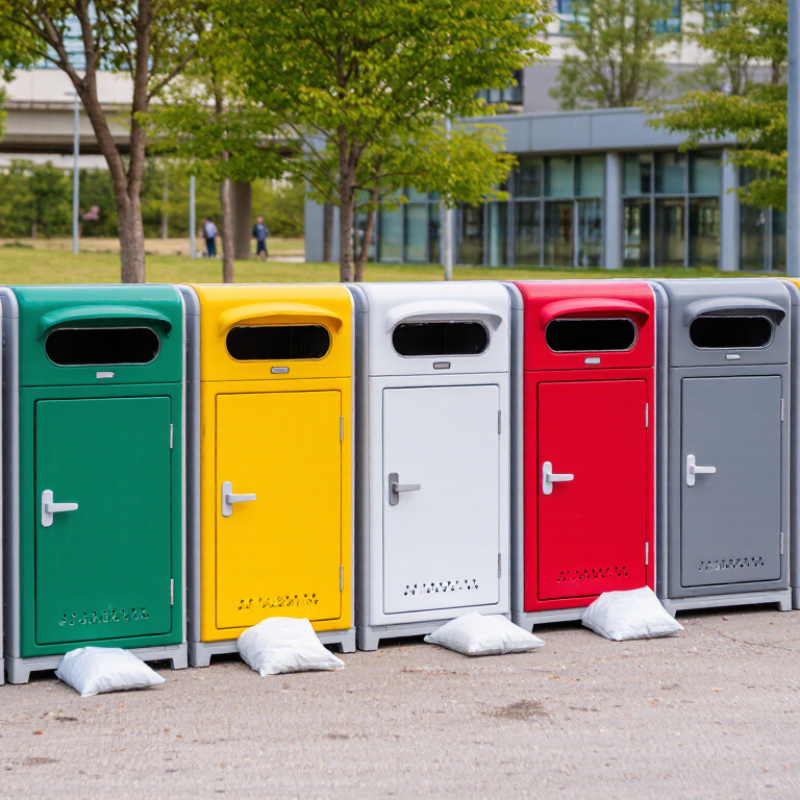
What Makes a Clothing Donation Drop-Off Bin Supplier Reliable
What Makes a Clothing Donation Drop-Off Bin Supplier Reliable
A reliable clothing donation drop-off bin supplier understands daily collection problems, not just metal fabrication. The U.S. Environmental Protection Agency reported that Americans generated about 17 million tons of textile waste in 2018, while only 2.5 million tons were recycled. That gap demands dependable collection systems.
Look for bins made from weather-resistant steel, with sealed openings and secure access panels. A loose hinge can expose clothing to rain within minutes. Clear donation instructions also reduce contamination from wet textiles, household waste, and unsuitable items. Suppliers should provide documented collection schedules, service contacts, site inspections, and weight records. These details help property managers verify performance instead of trusting attractive promises.
Capacity matters too. Textile Exchange reported that global fiber production reached 124 million tonnes in 2023. Donation volumes will not remain small. A reliable supplier should match bin size with foot traffic and seasonal surges. Ask how quickly an overflowing bin receives service. Ask where collected clothing goes. Vague answers deserve caution. Some suppliers provide impact reports, but their figures may need independent checking. I have seen well-painted bins fail because the collection route was poorly planned. Reliability is practical, and sometimes imperfect. Choose suppliers that admit operational limits, maintain insurance, support accessible placement, and keep records that can be reviewed.
7 Best Clothing Donation Drop-Off Bin Suppliers: What Makes a Supplier Reliable?
A reliable clothing donation drop-off bin supplier should balance secure construction, weather resistance, legal compliance, practical capacity, easy maintenance, and transparent service. The chart presents a neutral 100-point procurement weighting model rather than company-specific performance data.
Seven Leading Clothing Donation Drop-Off Bin Suppliers Compared
Seven Leading Clothing Donation Drop-Off Bin Suppliers Compared
Choosing among seven leading clothing donation drop-off bin suppliers requires more than comparing prices. Supplier One focuses on galvanized steel bins for outdoor placement, while Supplier Two offers compact units for schools and apartment entrances. Supplier Three provides weather-sealed doors, useful during heavy rain. Supplier Four stands out for reflective markings and rounded edges, which improve visibility near parking areas. These details matter when donors carry full bags at dusk.
Supplier Five offers scheduled servicing and digital collection records. That feature helps property managers track overflow, pickup times, and recurring maintenance. Supplier Six specializes in modular bins with replaceable panels, reducing long-term repair costs. Supplier Seven provides custom dimensions for narrow sidewalks and indoor collection points. In practice, access clearance is often overlooked. A bin may fit the site but block a wheelchair route or delivery entrance.
Reliable suppliers should explain material thickness, lock design, anchoring, cleaning procedures, and response times. Ask for installation guidance and proof of regular servicing. A useful trial includes checking the lid with one hand, inspecting sharp edges, and measuring the opening after rain. Some attractive bins become difficult to use when labels peel or hinges collect dirt. That is a weakness worth acknowledging. The best choice depends on donation volume, site exposure, local pickup capacity, and the people who will use the bin daily.
Key Features to Evaluate Before Choosing a Donation Bin Supplier
7 Best Clothing Donation Drop Off Bin Suppliers
Key Features to Evaluate Before Choosing a Donation Bin Supplier
Choosing among clothing donation drop off bin suppliers requires more than comparing prices. Inspect the bin’s steel thickness, base stability, and weather resistance. A reliable unit should handle rain, strong sunlight, and repeated daily use. Check whether the opening protects donated clothing from moisture. Sharp edges are unacceptable. The design should also support safe, easy access for donors of different heights.
Ask suppliers about capacity, collection frequency, and maintenance response times. A 1.5-cubic-yard bin may suit a quiet community site, while a busy retail location may need a larger model. Clear donation instructions reduce confusion and contamination. Good suppliers provide durable labels, visible contact details, and practical placement guidance. Some also offer fill-level reporting or scheduled collection records. These details make performance easier to verify.
From site visits, I have learned that attractive bins do not always perform well. Thin labels fade, doors jam, and poorly anchored units can shift after storms. I once underestimated pedestrian clearance around a bin, creating an avoidable access problem. Ask for installation photos, material specifications, warranty terms, and service examples before signing. Independent safety testing is useful, but it should not replace hands-on inspection. A supplier who answers difficult questions clearly is usually more dependable than one offering impressive promises.
How to Select the Best Supplier for Your Collection Program
7 Best Clothing Donation Drop Off Bin Suppliers
How to Select the Best Supplier for Your Collection Program
Choosing a clothing donation bin supplier requires more than comparing prices. Start with the collection site. Measure available space, pedestrian flow, lighting, and vehicle access. A narrow sidewalk may need a compact bin with a front-opening door. Outdoor locations require weather-resistant steel, sealed hinges, and drainage protection. Small details matter.
Ask suppliers how they manage installation, repairs, emptying schedules, and damaged units. Reliable service should include clear response times and a named contact. Request material specifications, safety testing records, insurance details, and references from similar collection programs.
Photos are helpful, but site visits reveal more. Look closely at sharp edges, door strength, lock quality, and visible instructions. Users should understand the donation process within seconds.
Capacity estimates also deserve careful attention. A busy retail location may overflow before the planned pickup day. That creates poor experiences and extra labor. However, choosing the largest bin everywhere can waste space and money. Pilot one or two locations before expanding. Track fill levels, contamination, service delays, and community feedback. Some programs discover that attractive designs perform poorly in crowded areas. That is worth admitting. The best supplier should welcome adjustments, share maintenance data, and explain limitations honestly. A flexible contract can protect your program when collection volumes change.
Placement, Maintenance, and Compliance Considerations for Donation Bins
7 Best Clothing Donation Drop Off Bin Suppliers
Choosing among the seven best clothing donation drop off bin suppliers requires more than comparing prices. Placement affects safety, visibility, and donation quality. Select a location with steady foot traffic, strong lighting, and clear pedestrian access. Keep bins away from emergency routes, blocked doors, and narrow driveways. A level surface prevents tipping after heavy rain or uneven loading.
Tips: Ask for a written service schedule. Confirm who owns the bin. Check collection response times. Use weather-resistant labels with accepted-item details and contact information. Photograph the site before installation. Small details matter.
Maintenance should include frequent inspections, litter removal, lock checks, and prompt overflow collection. Wet clothing can damage nearby donations and attract pests. Suppliers should document pickup dates, container conditions, and reported problems. Transparent records help property managers verify performance and build donor trust. We have seen attractive bins become neglected when service responsibilities remain unclear.
Compliance also deserves attention. Confirm local placement permissions, zoning requirements, accessibility standards, and signage rules before delivery. Keep the surrounding area unobstructed, including space for mobility devices and collection vehicles. A supplier should explain how donations are handled and where concerns are directed. No placement plan is perfect. A quiet site may later become crowded, while a visible site may create traffic conflicts. Review performance monthly and adjust the location when evidence supports a change.