China Top 10 Roof Drain Manufacturers for Global Buyers
China Top 10 Roof Drain Manufacturers for Global Buyers introduces suppliers serving commercial, industrial, and infrastructure projects worldwide. The market includes cast iron, aluminum, stainless steel, and polymer Roof Drains. Each material behaves differently under heat, corrosion, impact, and chemical exposure.
A practical comparison must look beyond catalog photographs. Buyers should examine flow capacity, outlet dimensions, clamping rings, waterproofing compatibility, and grate loading ratings. Factory audits also matter. Check production records, inspection equipment, export experience, and response quality after installation. Certifications can support confidence, but they never replace technical verification. Project drawings and local drainage codes still control the final decision.
“Drainage is not an accessory; it is part of the roof’s life support,” says Mark J. Lawson, a commercial roofing and drainage consultant. His point is easy to test on a rainy site. Water collects around a poorly matched outlet. Seams loosen. Interior finishes stain. A small design mistake becomes an expensive repair.
This guide compares ten Chinese manufacturers through product range, customization ability, quality systems, pricing logic, and international service. It also considers details that purchasing teams sometimes overlook, including packaging, spare parts, mold ownership, and lead-time reliability. The order is not absolute. No shortlist is flawless. Supplier performance can change with materials, management, and production workload. Buyers should request current samples, drawings, test data, and references before signing a contract. A factory may look impressive online. The real answer appears when specifications meet water, weight, weather, and time.
What Roof Drains Are and Why Global Buyers Need Reliable Manufacturers
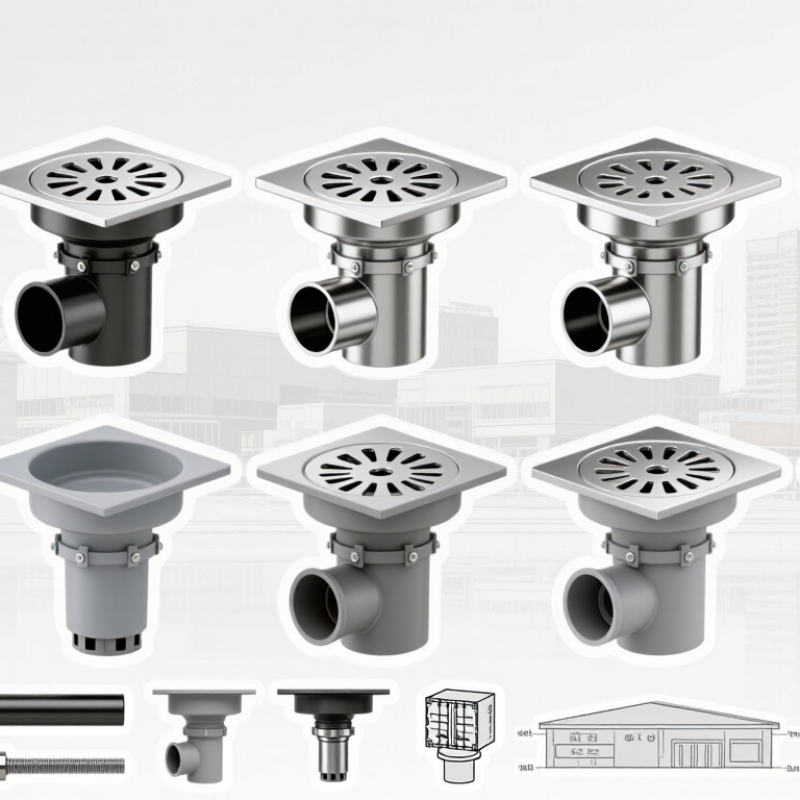
A roof drain is the controlled outlet that moves rainwater from a flat or low-slope roof into a pipe system. It usually includes a drain body, strainer, clamping ring, and waterproofing connection. During heavy rain, a reliable drain prevents ponding, membrane stress, leaks, and damage to interior ceilings. Small design errors can become expensive repairs.
Global buyers need manufacturers who understand more than casting or molding. They should check flow capacity, outlet size, material thickness, corrosion resistance, and compatibility with roofing membranes. Stainless steel, aluminum, cast iron, and durable polymers serve different environments. Coastal buildings need stronger corrosion protection. Cold regions require attention to freezing and thermal movement. Product drawings, drainage calculations, test records, and installation instructions should be available before purchase.
From project reviews, the most dependable suppliers communicate clearly about tolerances, packaging, and replacement parts. Factory quality control should cover incoming materials, dimensional checks, leak testing, and final inspection. Samples matter. A polished catalog cannot replace a physical fitting. I have seen small flange differences delay installation, even when the product looked correct online. No factory is perfect. Reliable manufacturers admit limitations and improve their process. Buyers should also confirm production capacity, inspection arrangements, export experience, and after-sales response before placing a large order. Geological conditions, local rainfall, and building codes may change the final specification, so technical confirmation remains necessary.
How China’s Roof Drain Manufacturing Industry Is Organized
China’s roof drain manufacturing industry is organized around specialized production clusters, trading firms, and export-oriented factories. Many manufacturers serve commercial buildings, warehouses, balconies, and underground parking areas. Their product lines usually include roof outlets, siphonic drainage components, grates, clamps, and flashing accessories.
Production often begins with engineering drawings and material selection. Common choices include stainless steel, cast iron, aluminum, and durable polymer blends. Factory technicians check wall thickness, outlet diameter, thread accuracy, and surface treatment.
Larger facilities use CNC machining, injection molding, welding stations, and pressure-testing equipment. Smaller workshops may focus on casting, assembly, or customized parts. This layered structure helps buyers order complete systems without relying on one production line.
Quality control is usually divided into incoming inspection, process checks, and final testing. Inspectors may measure a drain body with calipers, examine welds under bright light, and test water flow through a sample assembly. Export departments then prepare drawings, packing lists, inspection records, and installation guidance. This documentation matters when projects cross different engineering standards.
The industry is efficient, but not perfectly consistent. Some suppliers communicate well yet outsource critical components without clear disclosure. Others offer attractive prices while providing weak testing evidence. Buyers should verify factory capacity, material certificates, drainage performance, and sample consistency before placing large orders.
A useful audit includes a production-floor visit and a comparison between approved samples and mass-produced units. Mistakes still happen. Careful verification remains essential.
Top 10 China Roof Drain Manufacturers and Their Core Strengths
China’s top ten roof drain manufacturers serve different project needs, from residential roofs to large industrial facilities. The first specializes in stainless steel drains, offering strong corrosion resistance for coastal buildings. The second focuses on cast iron bodies and handles heavy traffic on maintenance roofs. The third develops aluminum drainage units, reducing structural load without sacrificing durability.
The fourth manufacturer is known for precision injection molding and produces reliable polymer drains for high-volume projects. The fifth supports green roof systems with adjustable outlets and filtration layers. The sixth designs siphonic drainage components, helping engineers manage high rainfall across wide roof areas. The seventh provides custom sizes, useful when standard dimensions do not fit older buildings. The eighth maintains automated testing for water flow, sealing, and dimensional accuracy.
The ninth combines roof drains with waterproofing accessories, simplifying procurement and site installation. The tenth emphasizes export packaging, documentation, and responsive technical support for international buyers. Ask for material certificates, test records, installation drawings, and samples before placing a large order. Small details matter. I have seen drainage failures linked to poor sealing, not the drain body itself. A low price can hide inconsistent wall thickness or weak grates. Factory audits and sample testing remain worthwhile, although they add time and cost. No supplier is perfect. A capable manufacturer should explain limitations clearly and recommend a suitable model for the roof structure, rainfall intensity, and local building requirements.
How to Compare Chinese Roof Drain Suppliers for Global Projects
Comparing Chinese roof drain suppliers for global projects requires more than checking catalog prices. Start with hydraulic performance, outlet size, body material, sealing design, and compatibility with the roof membrane. Ask suppliers to provide flow-rate data under defined rainfall conditions. Vague claims are not enough. Request technical drawings, tolerances, installation guidance, and test records.
Experience matters on site. A drain that fits a drawing may fail when insulation thickness changes or debris blocks the strainer. Compare sample quality, machining consistency, packaging, and replacement-part availability. Review the supplier’s production controls, inspection process, and ability to trace batches. Factory audits, video inspections, and independent testing can reveal differences hidden in polished quotations. Check whether the supplier has handled similar climates, roof structures, and project volumes.
Communication is another practical test. Send the same specification to several manufacturers and compare how clearly they identify missing information. Reliable suppliers should confirm materials, lead times, quality documents, export packaging, and warranty terms in writing. Do not judge capability from a fast reply alone. A spreadsheet can still mislead. In one project, the lowest quote excluded protective covers and special connectors, creating unexpected costs. I also learned that even experienced buyers sometimes overlook local drainage requirements. Recheck every assumption before approval.
This 100-point evaluation model helps global buyers compare Chinese roof drain suppliers without relying on brand names. Technical compliance and drainage performance receive the highest weighting, followed by material durability, quality assurance, and export-project support.
What Buyers Should Verify Before Importing Roof Drains from China
China Top 10 Roof Drain Manufacturers for Global Buyers
Before importing roof drains from China, verify more than a factory’s product catalog. Request a current business license, production address, and export references. A polished website is not proof. Ask for recent inspection records and photos showing casting, machining, coating, and final assembly. Video calls can help, but an independent factory audit is more reliable.
Confirm the drain body, grate, outlet, and seals match your project drawings. Check dimensions in millimeters, material grades, flow capacity, loading class, and temperature limits. Request sample units before placing a large order. Test them with the specified waterproofing membrane and pipe connection. Small differences matter. A two-millimeter mismatch may create installation delays.
Verify compliance with the destination country’s building codes and project specifications. Ask for test reports from recognized laboratories, not only internal certificates. Confirm whether documents cover the exact model and material. Review corrosion resistance, UV exposure, and drainage performance. Packaging also deserves attention. Each grate should be protected from impact, while cartons need moisture barriers and clear labels. Inspectors should record defects before shipment. Independent pre-shipment inspection is worth considering, although it adds cost and time. Agree on acceptable tolerances, replacement procedures, warranty terms, and payment milestones in writing. Do not rely on verbal promises. Even experienced buyers sometimes overlook spare seals or installation guides. That oversight is avoidable.