Top 10 Portable Heaters for Global Buyers?
Choosing among the top 10 portable heaters requires more than comparing prices or advertised wattage. Global buyers face different climates, room sizes, voltage systems, plug standards, and certification requirements. A compact ceramic heater may warm a drafty office quickly, while an oil-filled radiator may provide steadier heat beside a bedroom desk. Small details matter. Cord length matters.
Industry data supports this careful approach. The U.S. Department of Energy identifies electric resistance heaters as nearly 100% efficient at the point of use, although operating costs depend heavily on local electricity prices. NFPA research also links portable and stationary heating equipment with a significant share of home heating fires in the United States. These findings make overheat protection, tip-over switches, thermostat accuracy, and clear safety instructions essential evaluation points. Buyers should verify regional approvals, such as CE, UKCA, UL, or equivalent marks, rather than trusting vague “global” claims.
Market studies from Grand View Research, Fortune Business Insights, and Mordor Intelligence report continuing demand for residential space-heating products. However, their market definitions and forecasts differ. That limitation deserves attention. A global ranking can guide research, but it cannot replace local testing or careful specification checks. This guide compares portable heaters by heating performance, energy use, portability, controls, noise, maintenance, and documented safety features. It also considers practical scenes: a cold hotel room, a warehouse workstation, and a small apartment with limited outlet capacity. The best model is not always the hottest one. It is the safest, most suitable choice for the buyer’s actual space.
Portable Heater Basics: Types, Uses, and Operating Principles
Portable Heater Basics: Types, Uses, and Operating Principles
Portable heaters mainly use convection, radiation, airflow, or a combination of these methods. Convection heaters warm air, which then circulates around a room. Fan heaters speed up this process, but their airflow can feel dry and noisy. Radiant heaters warm nearby people and surfaces directly, making them useful beside a desk or bed. Oil-filled electric heaters store heat in liquid, then release it gradually. Electric resistance heating converts nearly all incoming electricity into heat at the point of use, according to the U.S. Department of Energy.
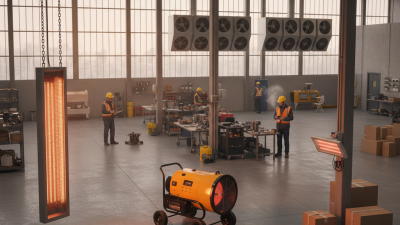
Fuel-burning heaters operate differently. They release heat through combustion, so ventilation and approved fuel handling are essential. Electric models usually suit indoor spaces with accessible power outlets. Global buyers should check voltage, frequency, plug design, thermostat controls, and local certification requirements. A wattage comparison can mislead. A 1,500-watt heater may warm a small insulated room efficiently, while a drafty room may remain uncomfortable.
Safety data deserves attention.
The National Fire Protection Association reported an annual average of 44,210 U.S. home heating-equipment fires from 2016 to 2020. Portable and stationary heaters require clear space around them. Keep clothing, bedding, and curtains away. Never cover a working unit. Automatic shutoff, tip-over protection, and overheat protection are practical safeguards, not decorative features. The label is not the whole truth. Room size, insulation, humidity, and user habits also affect performance. Even careful buyers can overtrust advertised coverage.
Key Factors for Comparing Portable Heaters Worldwide
Top 10 Portable Heaters for Global Buyers?
Comparing portable heaters worldwide requires more than checking wattage. A 1,500-watt model may heat quickly, but it can overload a small circuit. Voltage compatibility matters. A 120-volt heater is not automatically safe on a 230-volt supply. Buyers should verify voltage, frequency, plug design, and whether a transformer is required. An adapter changes the plug shape, not the voltage. That mistake remains surprisingly common.
Safety deserves greater attention than appearance. The U.S. Consumer Product Safety Commission reported about 1,700 portable-heater fires, 70 deaths, and 160 injuries annually from 2017 to 2019. The National Fire Protection Association recorded about 44,200 home heating fires each year from 2016 to 2020. Look for tip-over shutoff, overheat protection, a stable base, and a guarded heating element. Keep clear space around the unit. Small rooms need careful placement.
Energy use also affects real buying costs. Electric resistance heaters convert nearly all consumed electricity into heat, but local power prices vary sharply. A thermostat can prevent unnecessary cycling and reduce waste. Ceramic, fan, oil-filled, and infrared designs feel different in bedrooms, offices, and damp rooms. Check the IP rating where moisture is present, though no portable heater should sit near water. Independent testing reports are useful, but labels can be incomplete. The cheapest model may become expensive through higher consumption, weak controls, or replacement parts. Compare measurable specifications, not marketing language.
Top 10 Portable Heater Categories for Different Buyer Needs
Top 10 Portable Heaters for Global Buyers
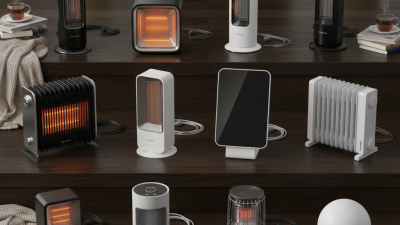
Portable heaters rarely serve the same buyer. Room size, climate, voltage, noise tolerance, and fuel access change the decision. A small ceramic fan heater suits quick desk or bedroom heating. Infrared heaters warm people and surfaces directly. Oil-filled radiators provide quiet, gradual warmth. Micathermic heaters combine radiant and convective heat in a slim frame.
For steady room heating, convection heaters circulate warm air without a fan. Panel heaters fit compact rooms and offer simple wall or floor placement. Bathroom-rated heaters need suitable ingress protection and safe clearance from water. Desktop heaters target close-range comfort, not whole-room heating. They are easy to overestimate. Battery-powered heaters can help during short off-grid use, but runtime and charging limits matter. Low-watt personal heaters reduce electrical demand in small zones.
In practical product checks, I inspect plug standards, thermostat accuracy, tip-over shutoff, overheat protection, cord length, and repair access. Buyers should match wattage to local circuits and confirm certification requirements. A heater that works well in one country may fail elsewhere because of voltage differences. I still find advertised coverage optimistic, especially in drafty rooms. Measure the space. Check ventilation rules for fuel-burning models. Keep fabrics well away from hot surfaces. Small details decide comfort.
Safety Standards, Energy Use, and Regional Compatibility
Top 10 Portable Heaters for Global Buyers?
When assessing portable heaters, safety should outweigh attractive wattage claims. Look for independent testing, clear manuals, tip-over shutoff, overheat protection, and stable feet. The casing should remain cool around the handle. Check the plug, cable rating, and required voltage before purchase. A heater designed for 120 volts may be unsafe on a 230-volt supply. Regional certification marks can help, but a logo alone proves little. Verify the certificate or seller documentation where possible.
Energy use depends on wattage, operating time, insulation, and thermostat behavior. A 1,500-watt heater running for four hours uses about 6 kilowatt-hours. Multiply that figure by your local electricity rate. Lower wattage is not always cheaper. A weak heater may run continuously in a cold, poorly insulated room. A properly sized unit may cycle off sooner. Small details matter, such as a readable thermostat, sleep timer, and visible power indicator.
Regional compatibility also includes frequency, socket shape, indoor humidity, and room size. In damp areas, check the heater’s stated protection rating; never assume indoor use means bathroom use. Keep curtains, bedding, and paper several feet away. I would also question vague claims like “energy saving” without test conditions. Product comparisons are imperfect. Labels can change, and online specifications may contain errors. Recheck the manual before importing any heater.