What is an Industrial Heater and How Does It Work?
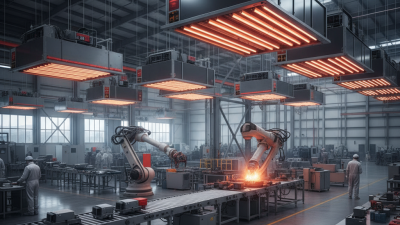
Industrial heaters play a crucial role in various manufacturing processes. These devices provide the necessary heat to create the right environment for production. Understanding how industrial heaters work can reveal much about their importance.
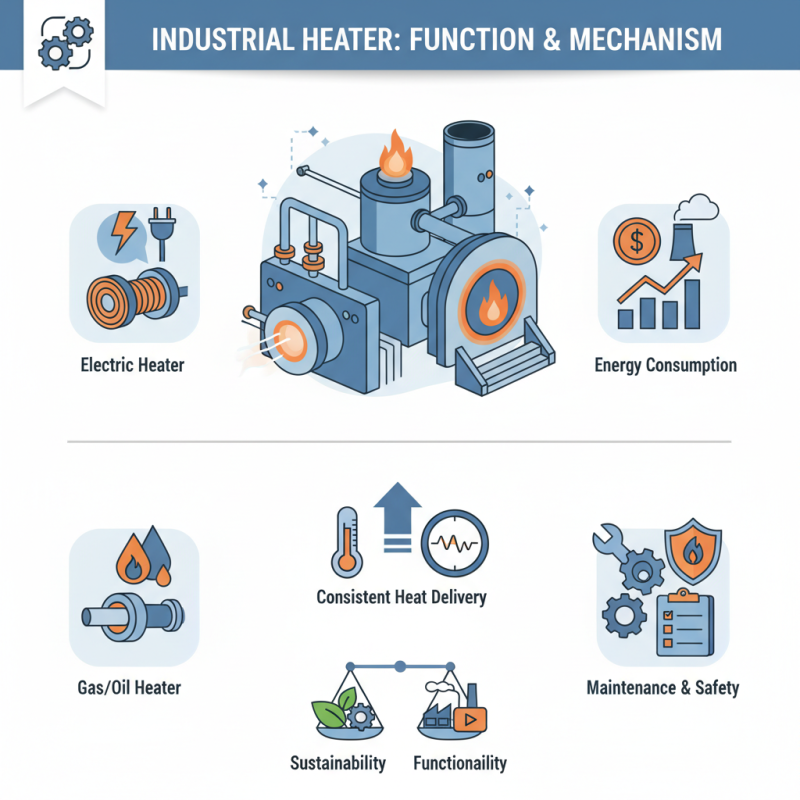
These heaters come in different types, each designed for specific applications. Some use electricity, while others rely on gas or oil. The mechanism of heating varies, yet the goal remains unchanged: to deliver consistent heat.
Despite their efficiency, industrial heaters may have limitations. For instance, they can consume a significant amount of energy. This leads to higher operational costs. Regular maintenance is essential to avoid inefficiencies and ensure safety. The balance between functionality and sustainability is a constant challenge for industries relying on these systems.
What is an Industrial Heater?
An industrial heater is a device designed to generate and provide heat for various industrial applications. These heaters play a crucial role in manufacturing processes, chemical production, and more. They come in various types, such as electric, gas, and oil heaters. Each type serves a specific purpose and operates on different principles.
Electric industrial heaters are often known for their efficiency. They convert electrical energy into heat directly. This process can be quick, making them ideal for applications requiring rapid temperature changes. Gas heaters, on the other hand, often use natural gas or propane. They burn fuel to produce heat, which can be more cost-effective in some cases.
Industrial heaters must cater to specific needs. Factors like temperature range and heating capacity are important. Improper selection might lead to heat losses or inefficiencies. Businesses sometimes overlook the necessary safety features. This can result in hazards if not properly managed. Regular maintenance and checks are vital. Ignoring these aspects can lead to breakdowns, increasing downtime and costs.
Types of Industrial Heaters and Their Applications
Industrial heaters come in various types, each suited for specific applications.
Electric heaters are popular for their efficiency and control. They provide consistent heat, making them ideal for processes that require precision.
According to market research, the electric heater sector is projected to grow by 5% annually over the next five years.
Another common type is gas heaters. They offer high-temperature heating and are often used in large manufacturing facilities.
Gas heaters can improve energy efficiency, but they may pose safety risks if not monitored correctly.
Reports indicate that improper maintenance can lead to significant accidents.
Failure to address this issue can result in costly downtime.
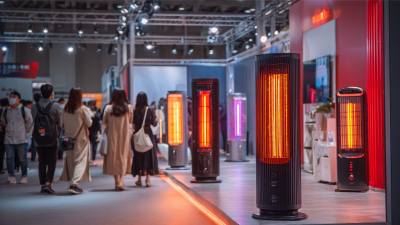
Infrared heaters are also gaining traction. They directly heat objects instead of the air around them,
increasing efficiency in drying processes. Industries like textiles benefit from this technology.
However, users must be aware of the initial investment costs.
Balancing upfront costs with long-term savings is a complex decision factor in selecting the right heater.
How Industrial Heaters Generate Heat
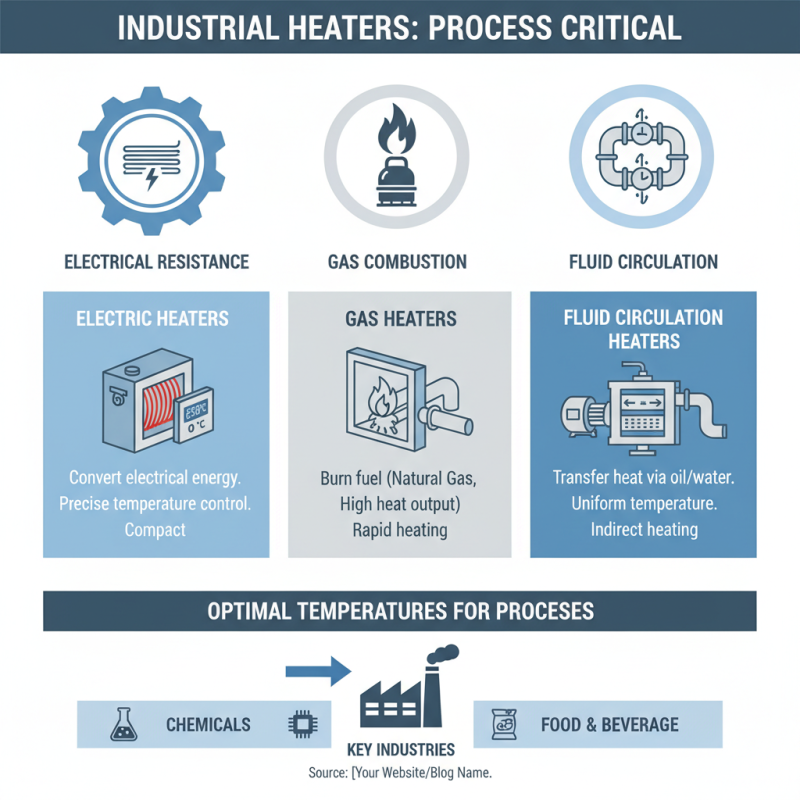
Industrial heaters play a crucial role in various industries, ensuring optimal temperatures for processes. These heaters generate heat through several mechanisms, mainly electrical resistance, gas combustion, or fluid circulation. Electric heaters, for example, convert electrical energy into heat via resistive elements. They provide precise temperature control and are often used in environments where space is limited.
Gas heaters operate by combusting natural gas or propane, producing hot gases that transfer heat. In contrast, fluid circulation heaters use fluids like oil or water to distribute heat efficiently. According to the U.S. Department of Energy, industrial heaters account for about 30% of energy consumption in manufacturing. This highlights the importance of energy-efficient designs and technologies in this sector.
Tips: Regular maintenance of industrial heaters can prolong their lifespan. Check the heating elements for wear and ensure proper insulation. Monitor energy consumption to identify inefficiencies. Small adjustments can lead to significant savings over time. Remember, even minor malfunctions can have massive impacts. Always stay vigilant about operational efficiency.
Key Components of Industrial Heaters
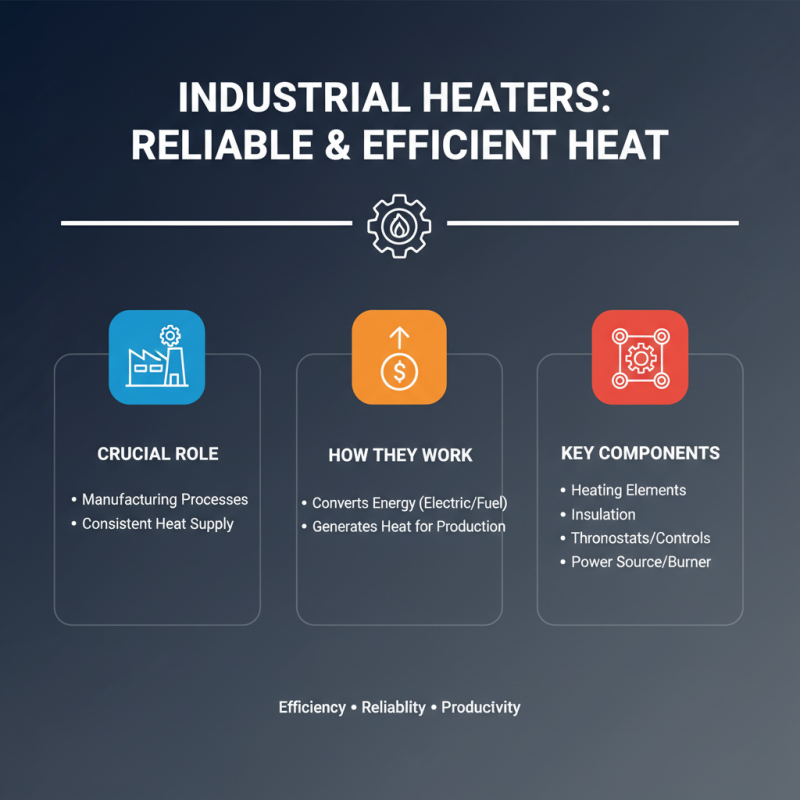
Industrial heaters play a crucial role in many manufacturing processes. These heaters must be reliable and efficient. They operate by converting electrical or fuel energy into heat. There are several key components that make them function effectively.
Firstly, heating elements are vital. They generate the heat needed for processes. These elements can be made from various materials, depending on the application. Next, temperature control systems are essential for maintaining the desired heat levels. They often include thermocouples and controllers, which help monitor the temperature and adjust the heating output. These systems enable precision and prevent overheating.
Additionally, insulation is important for efficiency. Proper insulation minimizes heat loss. The structure of the heater must support this insulation, ensuring safe operation. Safety mechanisms, like thermal cut-offs, are critical too. They protect against malfunctions, which could lead to dangerous situations. Each component needs careful consideration, as neglecting any part could hinder performance.
Safety Considerations for Using Industrial Heaters
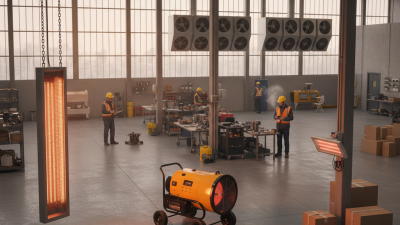
Using industrial heaters comes with specific safety considerations that cannot be overlooked. These powerful devices are designed for high-temperature applications, posing risks if not managed correctly. Proper ventilation is crucial. Inadequate airflow can lead to overheating and potential fires. Always ensure your workspace is well-ventilated to keep air circulating and reduce the risk of fume buildup.
Tip: Regularly inspect your heater for wear and tear. Look for loose connections or damaged cords. These issues can escalate if ignored.
Worker training is essential. Everyone in the facility must understand how to operate heaters safely. Ignorance can lead to accidents. Encourage staff to report any unusual sounds or smells immediately. This proactive approach will help prevent hazardous situations.
Tip: Establish a routine safety checklist. Include steps for daily inspections. Regular checks can save lives and prevent equipment damage.
Remember, safety should always come first. Addressing potential hazards early on can make a significant difference in a workplace environment. It's better to be cautious than to risk valuable resources.
Industrial Heaters Usage by Industry