What is an Electric Karting Boat and How Does it Work?
The electric karting boat is a fascinating innovation in recreational watercraft. This eco-friendly vessel combines the thrill of karting with the serene experience of boating. Designed for both enthusiasts and beginners, it offers a unique way to enjoy open waters.
What sets the electric karting boat apart is its propulsion system. Powered by electric batteries, it produces minimal noise and zero emissions. This makes it a responsible choice for environmentally conscious adventurers. However, it also raises questions about battery life and charging options. Users need to consider their routes carefully.
Operating an electric karting boat is straightforward. A simple throttle controls speed, similar to traditional karts. Despite its ease of use, some may find maneuvering challenging at first. With practice, most find it easy to navigate. The thrill of gliding across the water, combined with its electric efficiency, presents an exciting yet responsible way to explore.
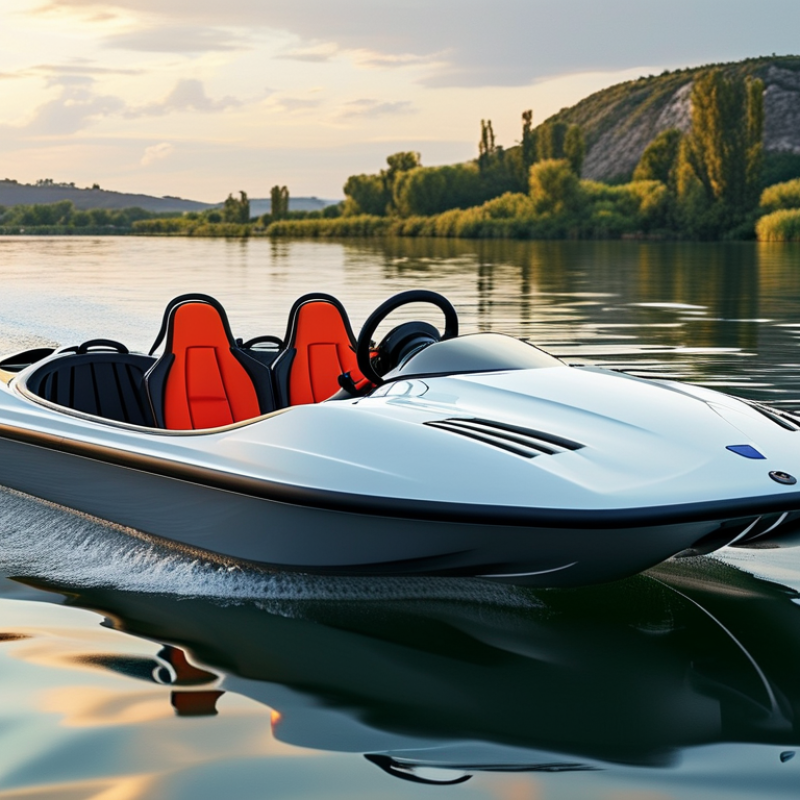
What is an Electric Karting Boat?
Electric karting boats are an innovative blend of water sports and karting fun. Designed for speed enthusiasts, these boats provide an eco-friendly alternative to traditional gas-powered models. They operate using electric motors, which deliver instant torque and a smooth ride on water. Their lightweight construction allows for quick maneuvers and agile drifting around corners.
Understanding how an electric karting boat works is essential for both beginners and experienced riders. The key components include a battery system, electric motor, and a steering mechanism. The battery powers the motor, which propels the boat forward. Riders can control speed and direction using a simple joystick or steering wheel. While these boats offer exciting experiences, challenges often arise in battery management. Riders must monitor battery life closely, as unexpected depletion can spoil a day on the water.
Moreover, safety is paramount when navigating these electric wonders. Riders must wear life jackets and be aware of their surroundings. It's vital to practice safe driving habits, especially in crowded areas. While electric karting boats aim to provide thrilling adventures, the need for caution is a consistent reminder that not every ride goes as planned. Balancing excitement with safety allows for a more enjoyable time on the water.
Key Components of Electric Karting Boats
Electric karting boats are becoming a popular choice for aquatic fun. These innovative vessels combine the excitement of go-karting with the thrill of boating. Understanding their key components helps illuminate how they function.
The core component is the electric motor. It offers a clean and efficient power source. Modern electric motors can provide high torque, delivering swift acceleration. Many models utilize lithium-ion batteries, which offer longer run times and quicker charging. According to industry reports, these batteries can last up to six times longer than traditional lead-acid batteries. Another crucial part is the controller, regulating power distribution. This ensures a smooth and responsive driving experience.
When using electric karting boats, consider these tips: Keep the battery charged to avoid interruptions. Regular maintenance can extend the life of your boat. Lastly, understand the water conditions before heading out. This helps in navigating safely and enjoying the ride fully.
Exploring beyond the basics can further refine your experience. For instance, some users find the weight distribution of the boat affects handling. Adjusting this may require some trial and error. Embrace these learning moments as part of the adventure.
How Electric Karting Boats Generate Power
Electric karting boats represent a new wave in recreational watercraft, focusing on sustainability and fun. These boats utilize electric motors instead of traditional combustion engines. By doing so, they reduce noise, lower emissions, and offer a greener alternative. According to a report by the International Maritime Organization, transitioning to electric propulsion can decrease marine pollution by up to 70%.
Electric karting boats generate power through advanced battery systems, often made of lithium-ion. These batteries store energy that powers the boat's motor. Studies show that these systems can provide a range of up to 50 miles on a single charge. This technology allows for extended use in lakes and rivers while minimizing environmental impact.
Tip: Always check the battery status before a long outing. Monitoring battery health ensures you don’t run out unexpectedly.
Electric motors in these boats are quieter and more efficient, often providing instant torque. However, charging infrastructure can limit the operation of electric boats in some areas. It's crucial to plan your routes and stops, especially in regions with limited charging stations.
Tip: Map your course in advance. Knowing where charging points are located can enhance your experience.
Operational Mechanism of Electric Karting Boats
Electric karting boats represent an innovative blend of aquatic recreation and sustainable technology. Their operational mechanism leverages electric propulsion systems, which are designed to minimize environmental impact. These boats often use lithium-ion batteries, known for their efficiency and extended life cycles. A recent industry report noted that electric boats could reduce emissions by up to 90% compared to conventional gasoline-powered alternatives.
The propulsion system in electric karting boats typically consists of an electric motor connected to propellers. When activated, the motor drives the propellers, pushing the boat forward. The speed and direction are controlled through a simple interface. Battery management systems ensure optimal energy use, allowing for longer run times. This technology requires less maintenance than traditional engines, which can fail in harsh water conditions.
However, challenges remain. Battery life can be limited, especially in larger models or during high-speed operations. Operators must plan for recharging, which can be inconvenient. Additionally, there are concerns about the performance of electric boats in rough waters. Monitoring systems and improved battery technology are crucial for future development. These aspects indicate a need for continuous improvements in electric boating technology, emphasizing the importance of industry advancements.
Advantages of Using Electric Karting Boats
Electric karting boats are revolutionizing water sports. They provide a fun and eco-friendly way to enjoy boating. These vessels run on batteries, reducing noise pollution and harmful emissions. This shift to electric technology opens up new possibilities for recreational activities on lakes and rivers.
One of the key advantages is sustainability. Traditional gas-powered boats can damage ecosystems. In contrast, electric boats minimize this impact, promoting cleaner waterways. They also tend to have lower operating costs. Maintenance is simpler, and there’s no need for fuel. With advancements in battery technology, electric boats are becoming more efficient.
Safety is another important factor. Electric karting boats often feature better stability and easier maneuverability. These vessels are typically designed for casual users, making them accessible to everyone. However, they still require attention to proper usage and maintenance. Awareness of battery life and charging times is crucial. While they offer outstanding benefits, users must remain mindful of their limitations.
What is an Electric Karting Boat and How Does it Work? - Advantages of Using Electric Karting Boats
| Feature | Description | Advantages |
| Electric Propulsion | Uses electric motors to power the boat, eliminating the need for fuel. | Reduced emissions and quieter operation. |
| Battery Life | Typically equipped with rechargeable lithium-ion batteries. | Longer usage times and quick recharge capabilities. |
| Speed | Can reach speeds comparable to traditional fuel-powered boats. | High performance with environmental benefits. |
| User-Friendly | Easy control system design for all skill levels. | Safe and accessible for beginners. |
| Maintenance | Less mechanical complexity compared to traditional engines. | Lower maintenance costs and easier ownership. |
| Environmental Impact | Zero emissions during operation. | Minimizes ecological footprint and helps preserve waterways. |