

FAQS
How to Choose a Perry Hyperbaric Chamber in 2026?
Choosing a Perry Hyperbaric Chamber in 2026 requires more than comparing prices, photos, or advertised pressure ratings. The right decision depends on intended use, room dimensions, operator training, service access, and verified safety documentation. A chamber may look impressive online yet create daily problems beside a treatment bed, narrow doorway, or busy clinic corridor.
Start with evidence. Confirm the model’s specifications directly with the manufacturer or an authorized supplier. Review chamber dimensions, operating pressure, materials, control systems, emergency procedures, cleaning requirements, and maintenance intervals. Ask who provides installation and technical support in your region. Check whether the supplier offers documented training, replacement parts, inspection records, and clear warranty terms. Small details matter. A noisy compressor can affect communication. A complicated control panel can increase operator error. A poorly planned access route can delay installation.
Clinical suitability also deserves careful attention. Consult qualified healthcare professionals before using any hyperbaric equipment, especially for patients with existing medical conditions. Do not treat marketing language as medical evidence. Ask for independent documentation, regulatory information, and real service references where available. Customer testimonials can help, but they are not proof of performance. I would also record unanswered questions before signing a purchase agreement. That step is easy to skip.
A sensible choice balances safety, usability, lifecycle cost, and professional oversight. The cheapest chamber may become expensive after repairs, training gaps, or delayed support. Conversely, the most advanced model may exceed your practical needs. Compare verified facts, observe a demonstration when possible, and allow qualified experts to challenge your assumptions. The goal is not simply owning a Perry Hyperbaric Chamber. It is building a controlled, maintainable, and responsible treatment environment.
Perry Hyperbaric Chambers: Purpose, Design, and Main Applications
How to Choose a Hyperbaric Chamber in 2026?
A hyperbaric chamber creates a controlled environment with increased atmospheric pressure. It may support oxygen-based treatment under qualified medical supervision. Its purpose depends on the treatment plan, pressure range, oxygen delivery method, and approved clinical use. A chamber is not automatically suitable because it looks advanced. Pressure control matters.
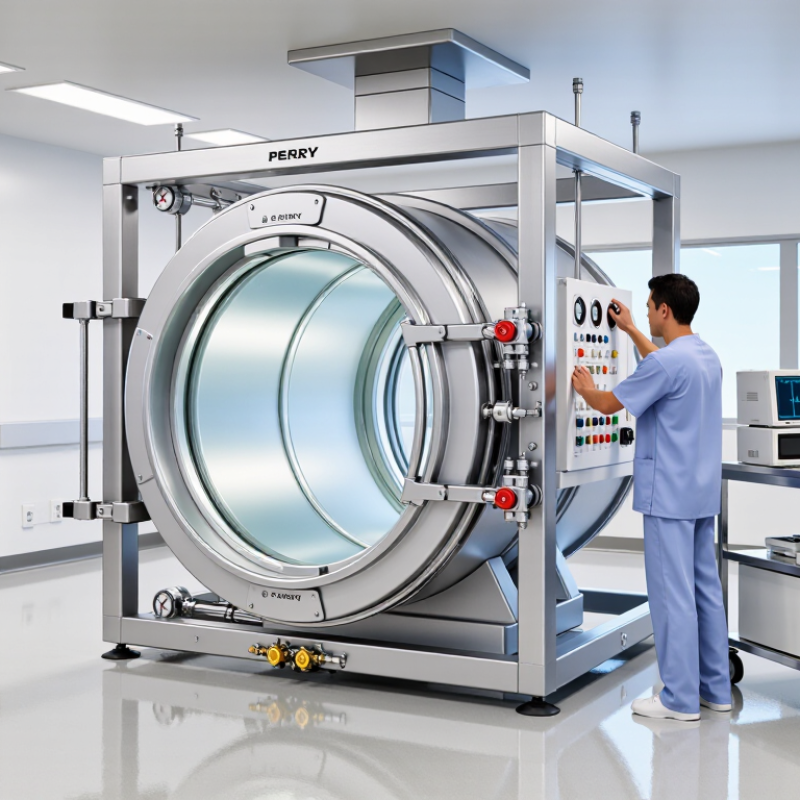
Design affects daily safety and comfort. Check the chamber’s size, visibility, ventilation, emergency release, and monitoring systems. A wider door can help users with limited mobility. Clear windows may reduce anxiety during longer sessions. Ask whether the controls are simple enough for trained staff to operate quickly. Noise, heat, and humidity can become tiring. I once underestimated these details, and that was a mistake.
Main applications may include selected wound-care programs, hospital-based oxygen therapy, and carefully managed decompression treatment. Each use requires a different protocol and risk assessment. Buyers should review clinical documentation, maintenance records, operator training, and local regulatory approval. Independent verification is more reliable than sales language. In 2026, connected monitoring may improve records, but software should not replace human judgment. A lower price can hide service delays, limited parts, or weak training support. The best choice is the chamber that matches the intended application, facility conditions, patient needs, and qualified medical oversight.
How to Choose a Hyperbaric Chamber in 2026? — Hyperbaric Chambers: Purpose, Design, and Main Applications
| Evaluation Dimension | Typical Specification or Range | Primary Purpose | Important Design Considerations | Selection Guidance |
|---|---|---|---|---|
| Clinical hyperbaric pressure | Usually about 1.5–3.0 ATA for medical treatment protocols | Increases the partial pressure of oxygen in plasma and tissues under controlled conditions | Accurate pressure control, calibrated gauges, pressure-relief systems, and documented treatment protocols are essential | Choose a system whose operating range matches the intended clinical indication and local medical requirements |
| Monoplace chamber | Designed for one patient at a time; commonly uses an oxygen-rich chamber environment | Individualized treatment in a compact clinical setting | Requires appropriate fire-safety controls, communication equipment, patient monitoring, and emergency access procedures | Suitable where space, staffing, and patient throughput favor a single-occupant design |
| Multiplace chamber | Accommodates two or more patients; the chamber is typically pressurized with air while oxygen is delivered by mask or hood | Supports higher patient capacity and allows staff or medical equipment inside when required | Needs greater floor area, ventilation capacity, trained attendants, oxygen delivery systems, and robust emergency procedures | Consider it for hospitals or centers requiring multiple simultaneous treatments or in-chamber clinical support |
| Mild-pressure chamber | Often operated at pressures at or below approximately 1.3 ATA | May be used in non-hospital wellness or specialty settings, depending on local laws and intended use | Must not be assumed to provide the same oxygen exposure or clinical effect as hospital-based HBOT | Verify the actual pressure, oxygen concentration, regulatory status, and evidence for every advertised use |
| Oxygen delivery method | Mask, hood, or chamber atmosphere, depending on the chamber configuration | Delivers the prescribed oxygen concentration during the treatment phase | Look for flow control, alarms, exhalation management, oxygen monitoring, and compatibility with prescribed protocols | Select the delivery system according to treatment protocol, patient tolerance, and clinical supervision requirements |
| Treatment cycle | Common sessions last approximately 60–120 minutes, excluding compression and decompression | Provides controlled periods of pressure and oxygen exposure | Programmable compression, treatment, air-break, and decompression phases improve consistency and safety | Confirm that the chamber can implement the protocol prescribed by a qualified hyperbaric clinician |
| Evidence-supported applications | Examples include decompression sickness, air or gas embolism, carbon monoxide poisoning, selected problem wounds, radiation tissue injury, compromised grafts or flaps, and certain severe infections | Used as an adjunct to standard medical or surgical treatment for specific indications | Effectiveness depends on diagnosis, timing, protocol, patient condition, and concurrent care | Base the purchase decision on documented clinical indications rather than broad promotional claims |
| Patient monitoring | Communication system plus clinically appropriate monitoring, which may include vital signs and oxygen-related measurements | Detects patient distress, treatment intolerance, or equipment problems promptly | Monitoring equipment must be rated for the chamber environment and integrated with emergency procedures | Prioritize clear two-way communication, visibility, alarms, and rapid patient access |
| Fire and oxygen safety | Strict control of ignition sources, combustible materials, static electricity, and oxygen enrichment | Reduces the risk of fire in a pressurized, oxygen-enriched environment | Requires compliant materials, grounding, cleaning procedures, fire detection, staff training, and documented inspections | Treat safety certification, preventive maintenance, and staff competency as non-negotiable criteria |
| Installation requirements | Depends on chamber size, operating pressure, ventilation, power supply, gas systems, and local building rules | Ensures reliable operation and safe access for patients and staff | Assess ceiling height, door clearance, patient transfer space, noise, HVAC capacity, and emergency egress | Conduct a site survey before ordering and obtain all required inspections or approvals |
| Regulatory and maintenance factors | Requirements vary by country and may include medical-device authorization, pressure-vessel compliance, inspections, and service records | Maintains legal, operational, and patient-safety compliance | Evaluate documentation, spare-parts availability, calibration intervals, cleaning procedures, warranty, and technical support | Confirm compliance with applicable local regulations and recognized hyperbaric safety standards before purchase |
Note: Hyperbaric oxygen therapy should be prescribed and supervised by appropriately qualified medical professionals. Treatment indications, chamber specifications, and regulatory requirements vary by jurisdiction.