What is the Best Portable Heater for Home Use?
As temperatures drop, many seek warmth in their homes. Portable heaters have become an essential solution. These compact devices offer flexibility and targeted heat, making them ideal for various spaces. Unlike traditional heating systems, portable heaters can be moved easily from room to room.
When selecting the best portable heater, one must consider energy efficiency, heating power, and safety features. Some models excel in heating small areas quickly, while others maintain energy use effectively. It’s common to find options that are user-friendly but might lack advanced safety measures. Always check for reviews to ensure reliability.
Despite the convenience, finding the right heater can be challenging. Not all portable heaters suit every home. Some may not heat large spaces adequately. Others might consume more power than expected. Research and personal experience will guide your choice, ensuring comfort during the colder months.
What Factors to Consider When Choosing a Portable Heater
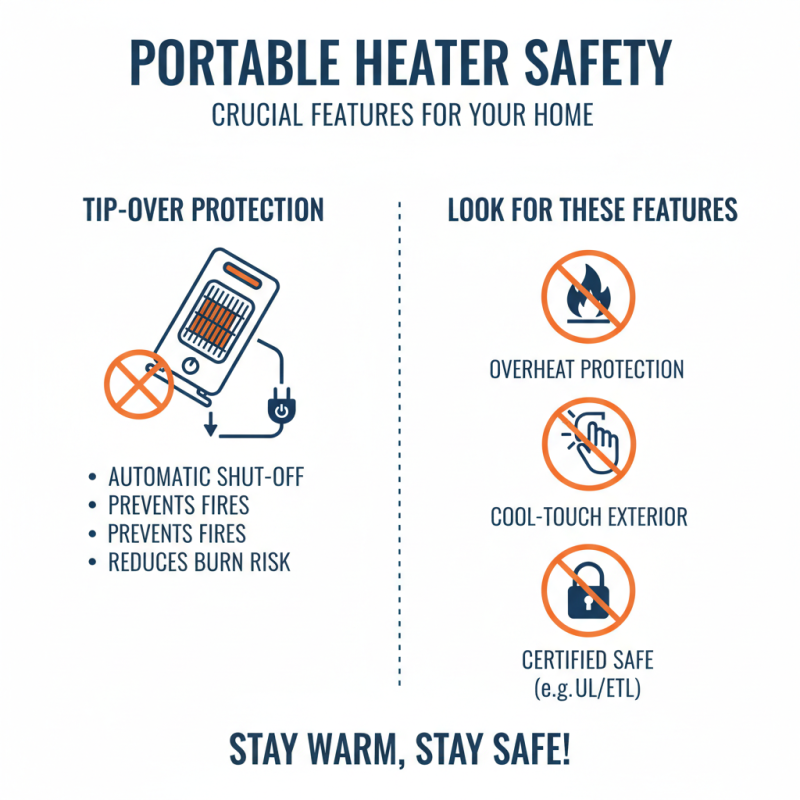
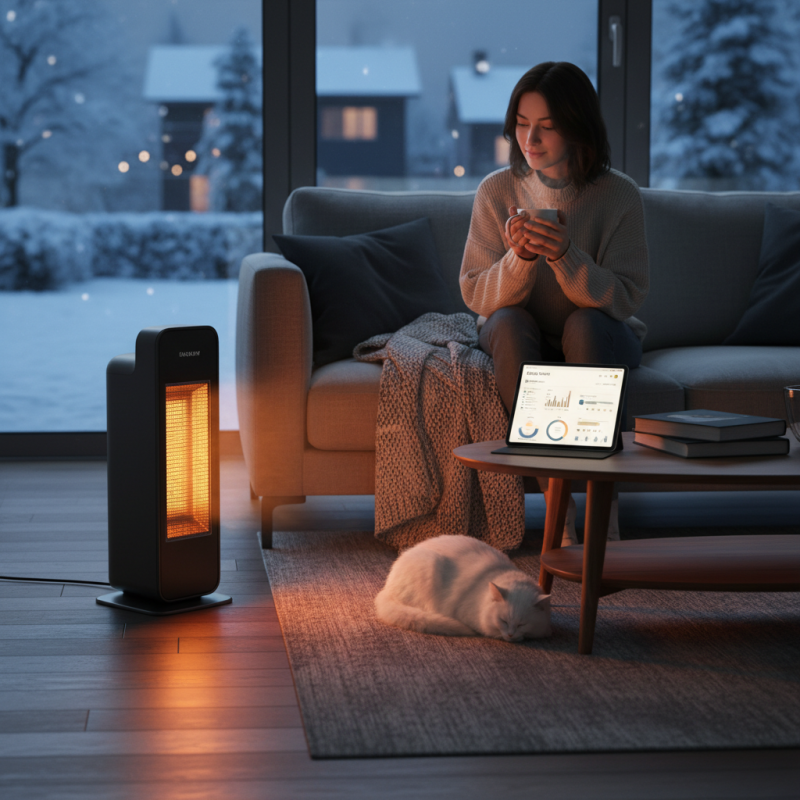
When choosing a portable heater, several factors deserve attention. Safety is paramount. Look for heaters with features like automatic shut-off and tip-over protection. These functions can prevent accidents, especially in homes with children or pets.
Consider the heater's size and heating power. A unit that is too small may struggle to warm your space effectively. Conversely, an oversized heater can lead to wasted energy. This balance is tricky but crucial.
Tips: Always check the energy efficiency rating. This can impact your electricity bill significantly. Energy-saving models may cost a bit more initially but can save money over time. Lastly, think about noise levels. Some heaters are quiet, while others might create a distracting hum. Finding peace in your environment may be just as important as warmth.
Portable Heater Efficiency Comparison
Types of Portable Heaters: Pros and Cons of Each Type
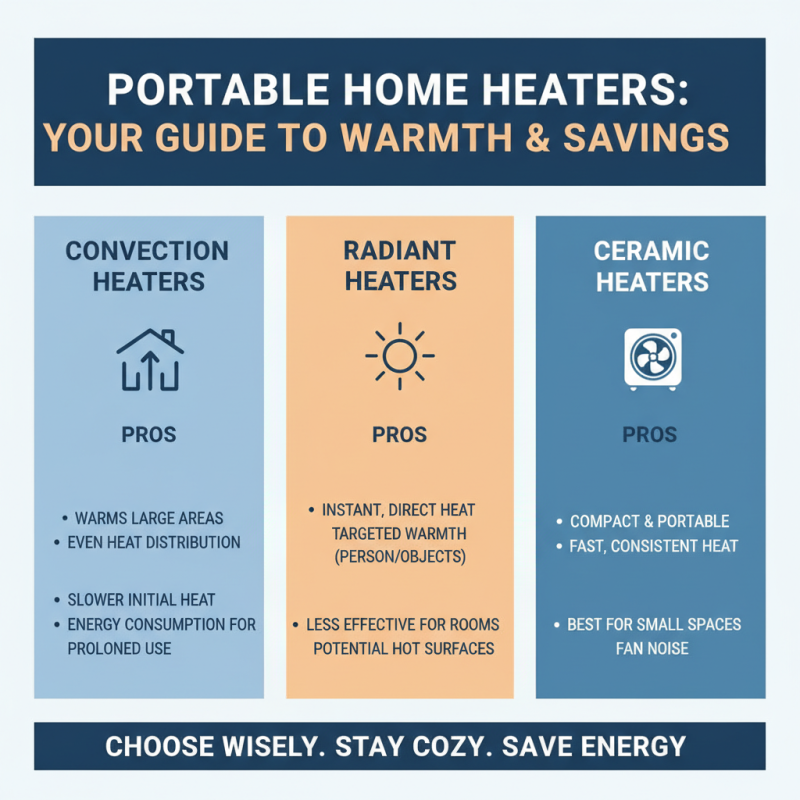
When choosing a portable heater for home use, it’s essential to understand the different types available. Each type has unique pros and cons that can significantly impact your comfort and energy bill. For instance, convection heaters are popular due to their ability to warm large areas. They draw in cool air, heat it, and circulate warmth. However, they can take time to reach the desired temperature.
Radiant heaters, on the other hand, provide instant heat. They emit infrared waves that directly warm objects and people in their path. While effective for quick warmth, they may not efficiently heat larger spaces. A report from the U.S. Department of Energy highlights that radiant heaters can be about 25% more efficient in small rooms.
Another option is oil-filled heaters, known for their retention of heat. They take longer to heat up but are excellent for maintaining warmth over time. They’re generally quieter too. Yet, they can be bulky and less portable compared to other types.
**Tips:** Consider your space before choosing a heater. Small rooms benefit from radiant models, while larger areas may require convection heaters. Always follow safety guidelines to prevent any accidents, and keep the heater away from flammable materials. Evaluate your heating needs carefully for a more comfortable winter.
Energy Efficiency Ratings: Comparing BTUs and Watts for Heating
When choosing a portable heater, understanding energy efficiency ratings is crucial. BTUs, or British Thermal Units, measure heating output. Watts represent energy consumption. An efficient heater minimizes energy use while maximizing warmth.
According to the U.S. Department of Energy, a heater with higher BTUs doesn’t always mean better efficiency. For example, a 1,500-watt heater can deliver approximately 5,120 BTUs per hour. But consider how long you run it. Frequent use can stack up costs.
Many models feature adjustable thermostats. They help maintain a steady temperature and reduce energy expenditure. However, not all users take full advantage of this functionality. Many leave heaters running at maximum output, wasting energy. Some heaters have timers but are underused. Properly timing usage can significantly lower electric bills while keeping your space warm.
What is the Best Portable Heater for Home Use? - Energy Efficiency Ratings: Comparing BTUs and Watts for Heating
| Model |
Heating Capacity (BTUs) |
Power Consumption (Watts) |
Energy Efficiency Rating (EER) |
Price ($) |
| Heater A |
10,000 |
1500 |
6.67 |
99 |
| Heater B |
8,000 |
1200 |
6.67 |
89 |
| Heater C |
15,000 |
2000 |
7.50 |
129 |
| Heater D |
5,000 |
800 |
6.25 |
79 |
| Heater E |
12,000 |
1800 |
6.67 |
109 |
Safety Features to Look for in a Portable Heater
When choosing a portable heater, safety features are crucial. Look for models with tip-over protection. This feature automatically shuts off the heater if it falls over. It prevents potential fires and burn risks.
Overheating protection is another essential safety aspect. Heaters that can detect high temperatures will shut down automatically. This helps ensure that the heater does not pose a danger in small spaces. Additionally, choose a heater with a sturdy, non-flammable casing, especially if you have pets or children.
Consider portability too. A lightweight design makes it easier to move around. However, lightweight shouldn't compromise stability. Many heaters have handles for easy transport, which is a significant plus. Remember, safety and functionality should go hand in hand when choosing the right heater for your home.
Cost-Effectiveness: Evaluating Long-Term Heating Expenses
When evaluating portable heaters for home use, cost-effectiveness is a crucial factor. According to the U.S. Department of Energy, electric space heaters can be energy-efficient but lead to higher long-term electricity bills. For instance, using a 1,500-watt portable heater for eight hours daily could add around $45 to monthly energy expenses. This emphasizes the importance of selecting a unit with a suitable wattage.
Moreover, operational efficiency can vary significantly. Some models have energy-saving features like programmable timers and thermostats. These features can prevent unnecessary heating. A study from the American Society of Heating, Refrigerating and Air-Conditioning Engineers highlights that efficient units can reduce heating costs by approximately 20%. Consider a heater that balances upfront prices and long-term savings effectively.
It's essential to think about practical usage too. Will the heater warm a small space or an entire room? This decision impacts overall energy consumption. A common mistake is choosing a high-output heater for a small area, leading to wasted energy. Evaluating your specific needs can help you avoid this pitfall. Understanding both short-term costs and long-term effects can drive a more informed decision, ensuring comfort while managing expenses wisely.